
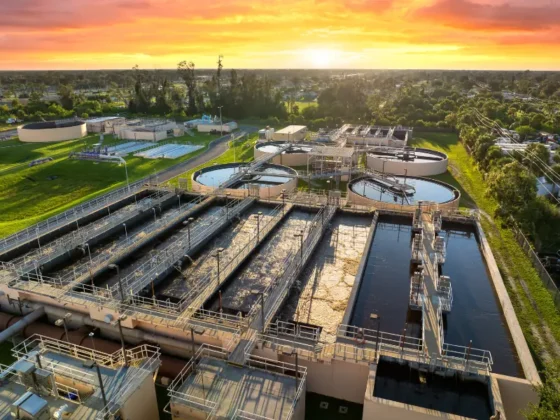
Water & Sewer Services
Public Utilities manages the City’s water and sewer systems, including water treatment, distribution, sewer collection, and utility billing.
Tap to call
For non-urgent matters
What This Department Handles
Water Treatment and Distribution
Sewer Collection and Treatment
Utility Billing
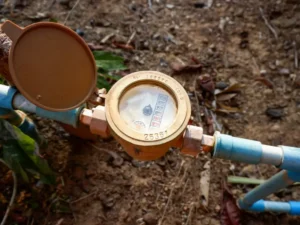
Water & Sewer Service Connections
Meet the Team

Office Location
- Address: 206 N. Church St, Walhalla, SC 29691
- Phone: (864) 638-4343



Billing & payments
Water bills can be paid online through XpressBillPay, by phone at (864) 638-4343, ext. 1 (or 1-844-712-2843), in person at 206 N Church St, by automatic bank draft (sign up in person with a voided check), by mail, or by night deposit at the building’s corner drop box. Lost or missing bills can be viewed online or requested in person.
New service & account changes
All new service applications and account changes require a valid photo ID and must be completed in person at City Hall; the department cannot process name or address changes by phone or email. Renters must also bring a lease agreement or a signed new-tenant form. Businesses must additionally pass a fire inspection with the Fire Marshal, and new sewer connections require coordination with the Oconee Joint Regional Sewer Authority (OJRSA).

Your bill explained
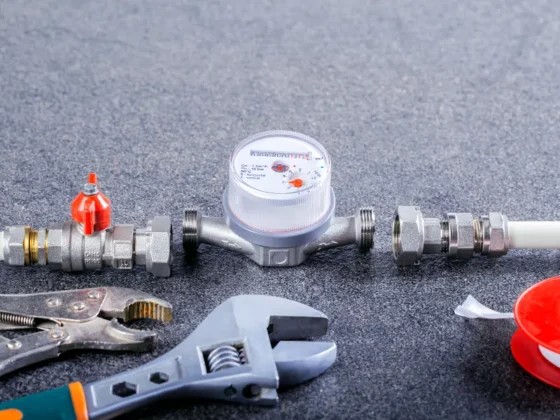
Every metered account pays a monthly base rate, which covers meter reading and billing, meter replacement, line maintenance, fire hydrant protection, and a share of general overhead, plus a usage charge based on each 1,000 gallons consumed, which covers water plant operations. The base rate increased by $3 in July 2024 to fund a three-person crew dedicated to maintaining the system and repairing main breaks.
Customers are still billed the base rate even during a period of no water use, since the charge reflects availability of service, not just consumption.
Water quality & infrastructure projects
The city publishes an Annual Water Quality Report (Consumer Confidence Report) each year explaining water source, content, and compliance with EPA and state standards. Water lines are flushed through hydrants at least monthly, and the Fire Department tests all hydrants each October, which can cause temporary low pressure or discoloration.
Current capital work includes a $2.47 million line upgrade on Highway 11, with roughly $10 million in additional projects out for bid to address sewer system trouble spots, replace aging water mains, and add a booster station for water pressure. These efforts follow “A Way Forward: Water Strategy,” adopted by City Council in August 2024, which focuses on addressing urgent concerns, gathering data, containing existing problems, and long-term planning. A meter change-out project is also underway, with over 2,000 of the system’s roughly 6,000 meters replaced to date.
New water tap availability is currently limited in a number of specific growth corridors due to system capacity; anyone planning new construction should confirm availability with the Water Department before proceeding. A full list of affected road segments is available as a downloadable resource rather than reproduced here.
Troubleshooting
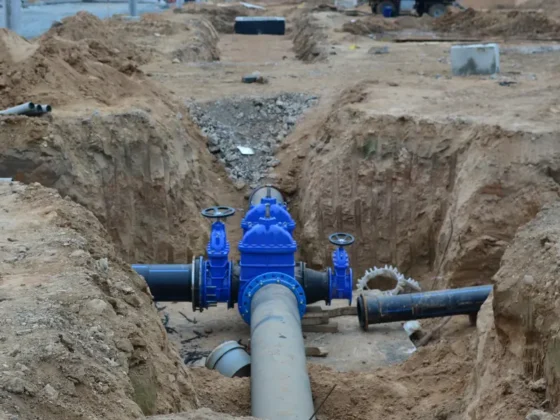
Most unusually high bills trace back to a leak. This could include a running toilet, dripping faucet, or a hose left on which are the most common causes. Discolored water is usually harmless and often clears within minutes; persistent discoloration, especially after hydrant testing or a nearby main break, is typically sediment and should clear on its own, though ongoing issues should be reported. Full troubleshooting detail, including step-by-step leak checks, is available in the linked FAQ documents.
Frequently asked questions
Who do I call for water emergencies after hours or on weekends?
Call the emergency line at (864) 499-4162. That number covers nights, weekends, and holidays, any time outside normal business hours.
How do I check for leaks?
Your water meter doubles as a leak detector. Turn off every faucet and water-using appliance in the house, then watch the meter, and if it’s still moving with everything off, something is leaking somewhere. A running or silently leaking toilet is by far the most common cause of an unexpectedly high bill.
Why didn't I get advance notice that my water service was going to be interrupted?
Most outages come from water main breaks, which can’t be predicted, so there’s no way to warn customers ahead of time. Planned infrastructure work is different: when a project requires a scheduled shutoff, the City announces the timing in advance on the website and Facebook page.
How can I pay my water/sanitation bill?
There are several ways to pay:
- Online through XpressBillPay
- By phone at (864) 638-4343, ext. 1, or 1-844-712-2843
- In person at 206 N Church St (bring your bill)
- Automatic bank draft: sign up in person with a voided check
- By mail using the included return envelope and payment slip
- Night deposit at the corner drop box at 206 N Church St
What is the water service charge?
Every metered account pays a monthly base rate, which varies by whether the property is inside or outside city limits and covers meter reading and billing, meter repair and replacement, line maintenance, fire hydrant protection, and a share of general administrative overhead. A separate usage charge, billed per 1,000 gallons, covers the cost of running the water plant. The current rates are listed in the fee schedule below.
Why was there an increase in water rates?
City Council approved a $3 base-rate increase effective July 1, 2024, to fund a dedicated three-person water crew focused on system maintenance and repairing main breaks.
Why is my bill higher than normal?
Start by checking for a leak:
- A dripping faucet
- A running or leaking toilet: test for a silent leak by adding a few drops of food coloring to the tank; if color shows up in the bowl after 20–30 minutes without flushing, it’s leaking
- A garden hose left running
- Leaks in a basement or crawl space
- A pool that was recently filled
- Lawn or garden watering
- A leaking water heater
Remember that your current bill reflects last month’s usage, so factor in any houseguests, extra water use, or seasonal upticks (summer usage runs higher for most households). You can also turn off all water in the house, check the meter, wait a couple of hours, and check again, and if it moved, there’s a leak. If none of this explains it, call the Water Department and ask for a meter reread.
I lost or didn't receive my water bill
You can view your account online and print a copy, or visit the Walhalla Water Department at 206 N Church St to request a duplicate bill.
What is the Water Information Survey?
The EPA’s Lead and Copper Rule requires water systems to maintain an inventory of service line materials for every property they serve. You can complete the survey using the paper form included in your September bill, or online. It asks a few basic questions about your service line and current contact information.
I was out of town and didn't use any water. Why do I still have a bill?
The monthly base charge applies whenever water service is available to a property, regardless of how much (or how little) water was actually used.
As a customer, what portion of my water and sewer lines am I responsible for?
You’re responsible for the line from the meter to your house, including any pressure regulator installed to manage water pressure on the property. Walhalla Water is responsible for the line from the main in the street up to and including the meter. If you suspect a break on the City’s side of the meter, call (864) 638-4343, ext. 2.
Why are we flushing the hydrants?
Crews flush water lines through fire hydrants at least monthly at designated dead-end mains to keep water quality within standards. The Fire Department separately tests every hydrant each October to confirm they’re operating properly, which can cause temporary low pressure or discolored water.
What is the meter change-out project?
The City is replacing all roughly 6,000 meters in the system. Many of the older meters are past their useful life; newer meters support better leak detection and can flag system problems before they show up on your bill. Over 2,000 meters have been replaced so far.
Why is my water discolored?
White or cloudy water is usually just tiny air bubbles released when water pressure changes, similar to a soft drink. Harmless, and it typically clears from the bottom up if you let a glass sit for a few minutes.
Brown or yellow water for a minute or two, only on the first draw of the day, often points to your home’s own internal plumbing, where an aging galvanized pipe’s interior coating has worn thin. It isn’t a health concern; running the tap for a minute or two should clear it.
Brown or yellow water that doesn’t clear, on the other hand, usually traces back to the city’s older cast-iron mains: hydrant testing or a nearby main break changes water velocity and stirs up sediment. Try running a cold tap for a minute after waiting 30–40 minutes; if it’s still happening after that, report it online or call (864) 638-4343, ext. 2.
Discoloration only from the hot tap usually points to the water heater. Turn it off, let it cool, then safely drain and flush the unit per your owner’s manual, or contact a licensed plumber.
Do I need to filter my water?
That’s a personal choice. If you do install a filter, keep in mind it needs regular maintenance (an unmaintained filter can actually degrade water quality) and because of the older iron mains in parts of the system, a filter will visibly accumulate (harmless) iron sediment over time.
What is the City doing to address water and sewer concerns?
A $2.47 million line upgrade on Highway 11 is nearing completion, and roughly $10 million in additional projects are out for bid to address sewer system trouble spots, replace aging water mains, and add a booster station for water pressure. These efforts follow “A Way Forward: Water Strategy,” adopted by City Council in August 2024, built around four components: addressing urgent concerns, gathering the facts, containing existing problems, and long-term planning.
Who does what: City vs. OJRSA
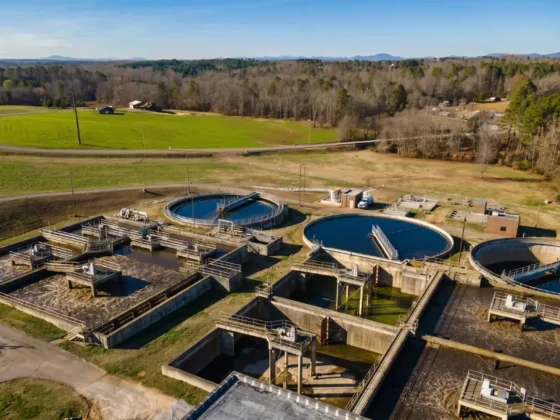
The City maintains the sewer collection lines within its system. OJRSA (Oconee Joint Regional Sewer Authority) treats wastewater for all of Oconee County. Both must sign off on any new tap.
New sewer connections
New taps require a Utility Tap Application plus an OJRSA Sewer Accessibility form, both submitted to the Water Department at 206 N Church Street. Contact OJRSA to confirm capacity at your location before assuming approval.
Reporting a sewer issue
Backups, slow drains affecting multiple fixtures, sewage odors, or manhole overflow should be reported immediately.
What not to flush or pour down the drain
The most common causes of sewer blockages:
- Wipes of any kind, including those labeled “flushable”
- Paper towels, tissues, or napkins
- Cooking grease, fats, and oils: cool and trash them instead
- Medications: use local drug take-back programs
- Cotton balls, swabs, or dental floss
Capital improvements
As part of the $10M RIA-funded program, CIPP lining is being expanded on 10- and 12-inch mains around the Cane Creek basin alongside water main replacement, under the “A Way Forward: Water Strategy” adopted August 2024.
Sewer Use Ordinance
The Sewer Use Ordinance governs what may be discharged into the city’s collection system, including requirements for industrial and commercial users.
Wastewater: frequently asked questions
Who is responsible for the sewer line on my property?
The City is responsible for the sewer main in the street and the lateral line up to your property’s clean-out point. The lateral from the clean-out to your building is your responsibility as the property owner, including any repairs or blockage clearing on that section.
What do I do if I have a sewer backup inside my home?
First, stop using all water and drains in the house to avoid making the backup worse. Then check whether the problem is at the clean-out at your property line. If it’s backed up there, it may be in the city’s main line rather than your lateral. Call (864) 638-4343, ext. 2 during business hours or (864) 499-4162 after hours. If the backup appears to be inside your lateral only, contact a licensed plumber.
What is OJRSA and why do I need to contact them for a new tap?
The Oconee Joint Regional Sewer Authority (OJRSA) is the regional authority responsible for treating wastewater for all of Oconee County. The City maintains the collection lines that carry wastewater to the OJRSA system, but OJRSA controls how much flows into their treatment facility. Because of that shared responsibility, a new tap requires approval from both the City and OJRSA before it can be completed.
Why is there a sewer charge on my water bill even though I’m on a septic system?
If you’re on a private septic system and not connected to the city’s sewer collection system, you shouldn’t be seeing a sewer charge. Contact the Water Department at (864) 638-4343, ext. 2 to review your account.
Can I connect to the city sewer system if I’m currently on septic?
Possibly, depending on your location relative to existing collection lines and available system capacity. Contact the Water Department first to confirm whether a connection is available at your address, then submit a Utility Tap Application along with the OJRSA Sewer Accessibility form. OJRSA must also confirm capacity on their end before the tap can be approved.